Ceramic coating or paint protection film: what your car actually needs
They are sold side by side and often confused. Here is what each one does, what it cannot do, and when the answer is both.
Almost every consultation at the studio starts with the same question: should I get a ceramic coating or paint protection film? It is a fair question, because both are marketed as protection and both are expensive. But they protect against completely different things, and choosing the wrong one for how you drive can mean paying for protection you never use while the damage you actually worry about keeps happening.
This guide explains what each product is, how each one performs on Los Angeles roads, and how we help owners decide.
What a ceramic coating is
A ceramic coating is a liquid polymer, usually built on silicon dioxide, that is applied by hand and cures into a hard, transparent layer bonded to your clear coat. Once cured, it is measured in microns. For context, a sheet of printer paper is around 100 microns thick, and a professional coating is typically 1 to 3 microns per layer.
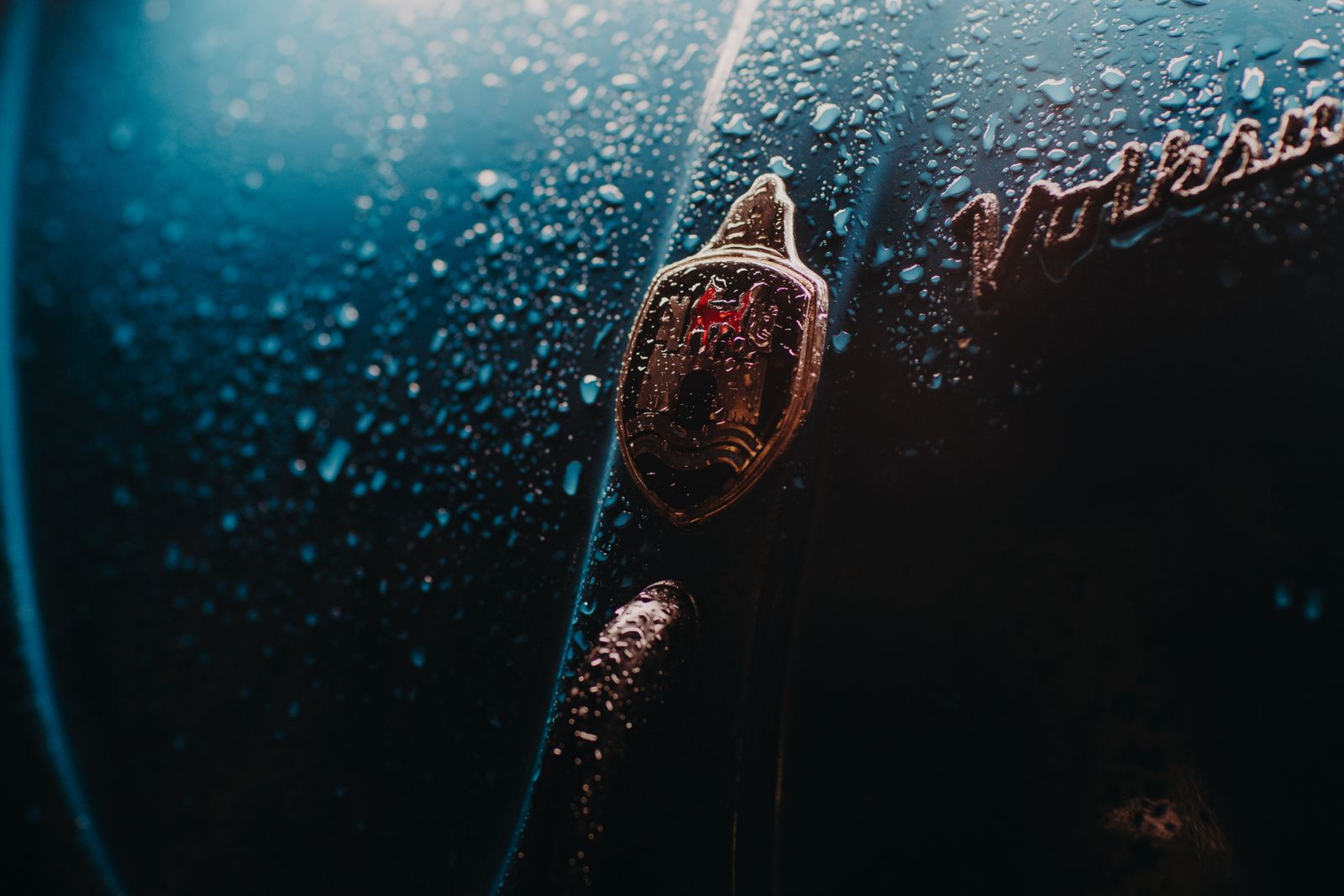
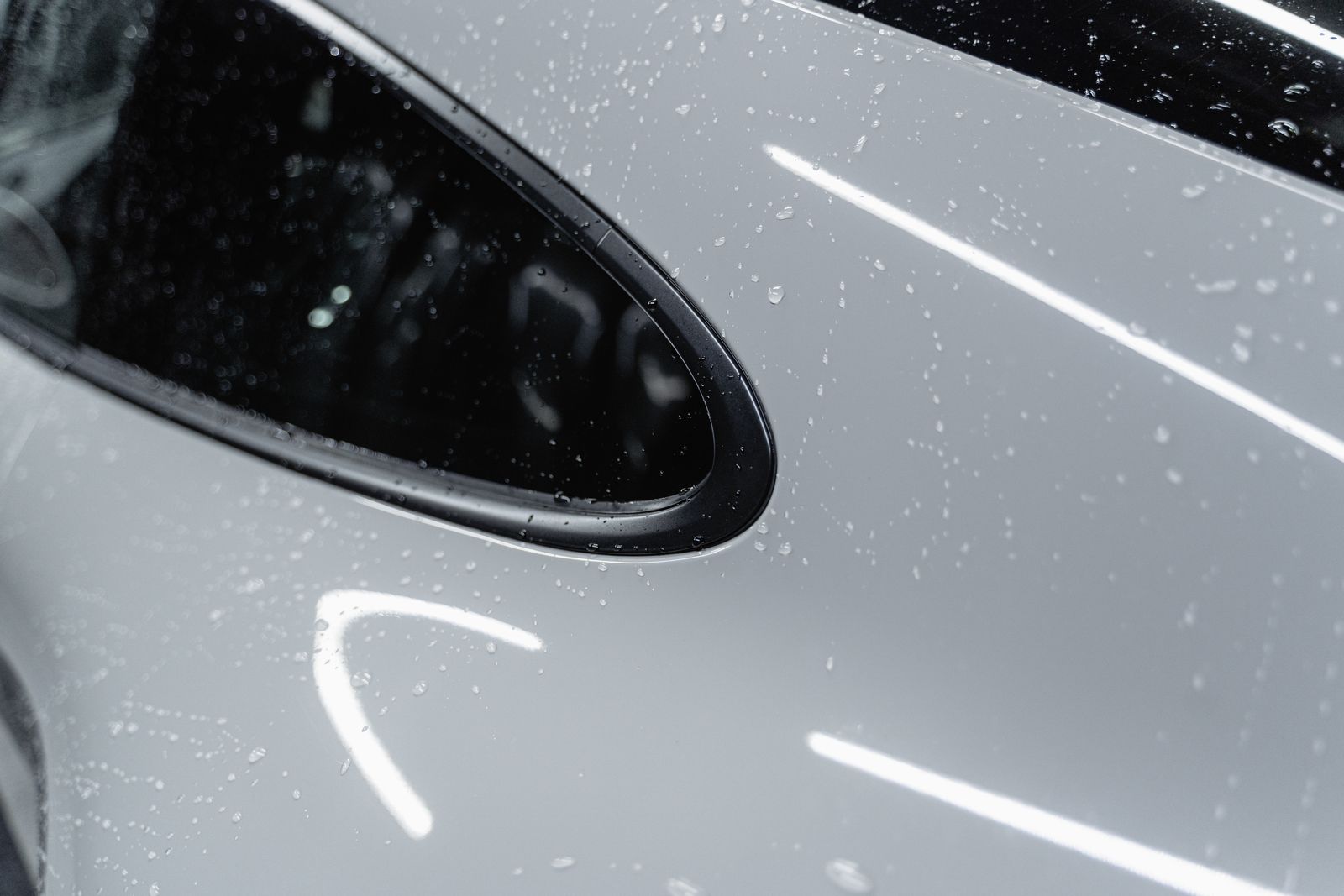
That thin layer changes how your paint behaves. The surface becomes extremely slick and hydrophobic, so water beads and sheets away, taking dust and road film with it. Brake dust releases from coated wheels with a gentle rinse. Bird droppings and tree sap sit on top of the coating instead of etching directly into clear coat, which buys you time to remove them. And the gloss, especially on dark paint, looks deeper and more liquid.
What a ceramic coating cannot do
Because it is so thin, a coating does not stop physical impacts. A pebble thrown up by a truck on the 10 will chip a coated hood just as it would chip an uncoated one. Coatings also do not make a car scratch-proof. They resist light wash marring better than bare clear coat, but a careless towel or an automatic brush wash will still leave marks.
Anyone promising that a coating makes your car immune to rock chips or scratches is overselling it.
What paint protection film is
Paint protection film, or PPF, is a thermoplastic urethane film around 8 mils thick, which is roughly 200 microns, or up to a hundred times thicker than a coating. It is installed wet, stretched over panels and wrapped around edges, and it physically absorbs impacts that would otherwise chip paint.
Modern films have a self-healing top layer. Fine scratches and swirls in the film disappear with heat, whether from the California sun, warm water or a heat gun. Films are available in optically clear gloss and in stealth matte, which turns gloss paint satin while protecting it.
Comparing them side by side
- Rock chips: PPF stops them. Coatings do not.
- Light scratches: PPF self-heals. Coatings resist marginally.
- Gloss and depth: coatings add noticeable gloss. Gloss film is neutral, stealth film turns satin.
- Easy washing: coatings are best. Film alone is good, and coated film is excellent.
- Chemical and UV resistance: both help, coatings slightly more.
- Cost: a full coating costs less than full-body film by a wide margin.
How we decide with owners
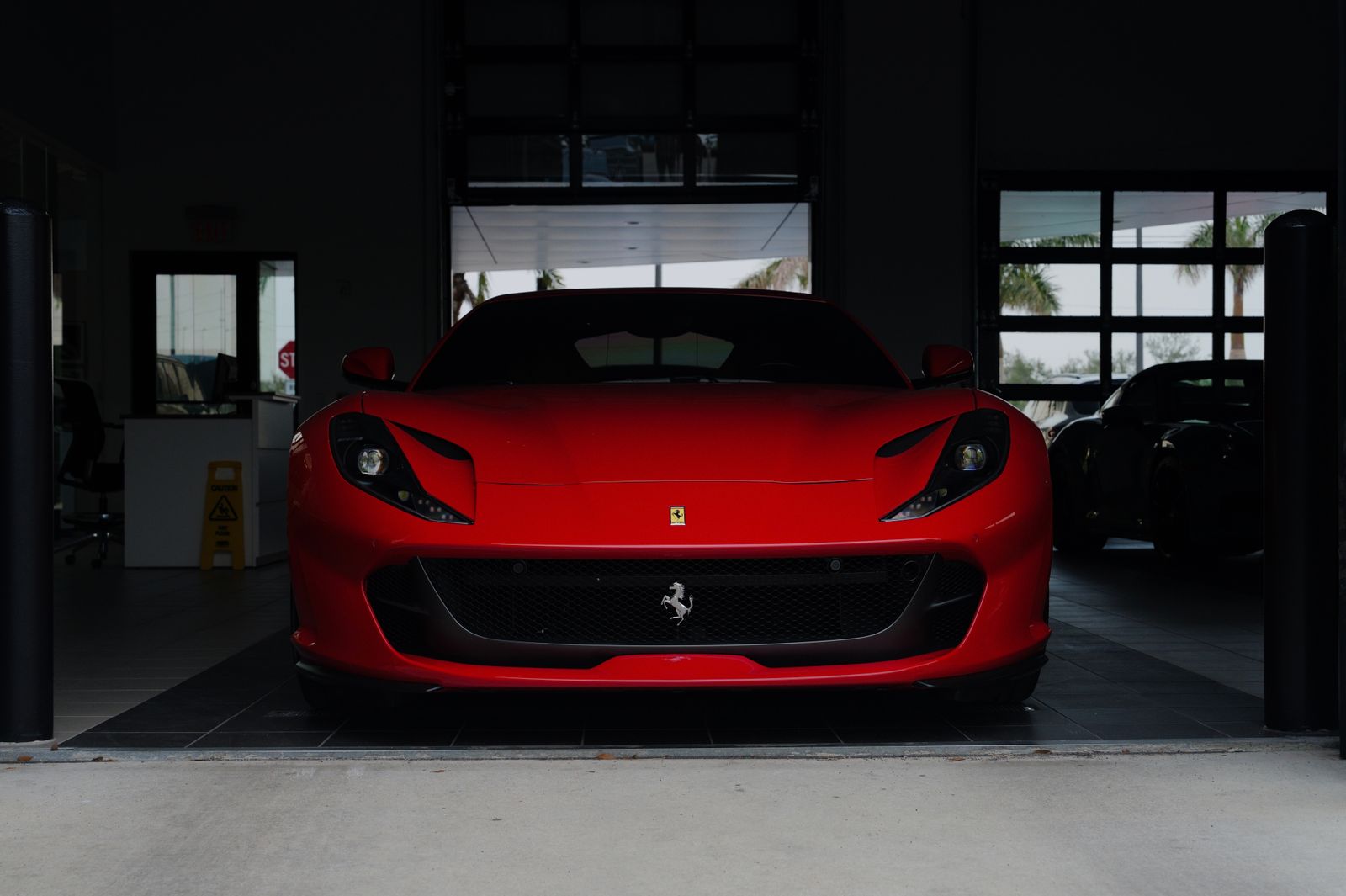
We ask how the car is driven. A weekend exotic that does canyon runs on Mulholland or the PCH gets its front end sandblasted by gravel, and PPF on the bumper, hood, fenders and mirrors is the only real protection. A daily driver that spends most of its time on city streets and in a garage often benefits more from a coating that keeps it clean and glossy with less effort.
Then we look at the paint. If your paint is already swirled, both products require correction first, because both will lock in whatever defects are underneath. That correction step is often where the real transformation happens.
The most common setup we install on new exotics is front-end film plus a ceramic coating over the whole car, film included.
Why the answer is often both
Film and coatings work well together. We install PPF on high-impact areas, then apply a film-specific ceramic coating over the film and a paint coating over everything else. The film handles impacts, the coating handles gloss and easy washing, and the car looks uniform because the entire surface has the same slick, beading finish.
If budget means choosing one, choose based on your biggest worry. If chips on the nose keep you up at night, start with a Front Clip of film. If you want the car to look freshly detailed with every wash, start with a coating. Both can be added to later.
The next step
The best way to decide is to see your car under inspection lighting. We offer a free paint inspection at the Arts District studio where we measure paint depth, show you existing defects and give you a written quote for each option.